Posted on 2026-10-05
What to do about a sparking socket in Guildford
A sparking socket is one of the more common electrical concerns that householders encounter. Understanding what is happening — and knowing when to seek a professional assessment — can help you respond safely and effectively. ## Why sockets sometimes spark When you insert a plug, the pins make contact with the socket's internal components just as a circuit is completed. In appliances that draw a high initial current — kettles, vacuum cleaners and power tools are typical examples — a small surge occurs in the instant before the contacts are fully seated. This can produce a brief, small spark. The phenomenon is known as inrush current and is a normal electrical behaviour. These routine sparks are typically very small, last a fraction of a second, and are blue in colour. If this describes what you are seeing, it generally does not indicate a fault with the socket itself. ## Sparking that warrants professional assessment Not all sparking falls into the normal category. According to guidance from Electrical Safety First, sparking accompanied by discolouration, scorch marks or burning smells should always be assessed by a competent electrician rather than ignored. Signs that should prompt you to stop using the socket and seek a professional assessment include sparks that are large, prolonged, or yellow and orange rather than brief and blue; a burning smell from the socket either during use or afterwards; visible scorch marks or discolouration on or around the socket faceplate; a socket that feels warm or hot to the touch; the circuit breaker tripping when the socket is used; or recurring sparking from the same socket even with low-draw devices. These symptoms can indicate loose or corroded terminal connections inside the socket, physical deterioration of the socket itself, wiring that is inadequate for the load on the circuit, or — in older installations — wiring that was never designed to meet modern usage patterns. ## Safe steps to take before an electrician visits If you notice any of the warning signs described above, stop using the socket immediately and unplug any devices connected to it. If you can identify which circuit breaker controls the affected circuit, switching it off at the consumer unit is a sensible precaution until the socket has been inspected. Do not remove the socket faceplate or interfere with the wiring. Any internal inspection or repair must be carried out by a competent person. Where the work involves replacing or altering a socket in a defined special location — such as specified zones within a bathroom or shower room — the work may also be notifiable under Part P of the Building Regulations, and a registered electrician will need to self-certify the work or notify the local building control authority. Before the electrician arrives, make a note of when the sparking first occurred, what was plugged in at the time, and any other symptoms you have observed — including unusual sounds, smells or trips at the consumer unit. This background information will help the electrician carry out an accurate assessment efficiently. ## What a professional assessment involves When an electrician attends to assess a sparking socket, they will typically check whether the terminal connections within the socket are secure, since loose connections are a common cause of arcing and localised heat. They will assess the socket body for physical damage and signs of sustained heat. They will also check the broader circuit — particularly if the same circuit serves multiple outlets — for signs of overloading or other faults. If your property has older wiring and has not had a formal periodic electrical installation check for a number of years, the electrician may suggest that a broader inspection is worthwhile. This is particularly relevant where a sparking socket is accompanied by other signs of an ageing installation elsewhere in the property, such as persistent circuit trips, flickering lights or discolouration at other outlets. Sockets are a fundamental part of your electrical installation, and problems with them deserve prompt attention. For related information about socket and lighting installations and repairs, visit our [Lighting & Sockets](/lighting-and-sockets) page.
Warning signs a sparking socket needs professional assessment
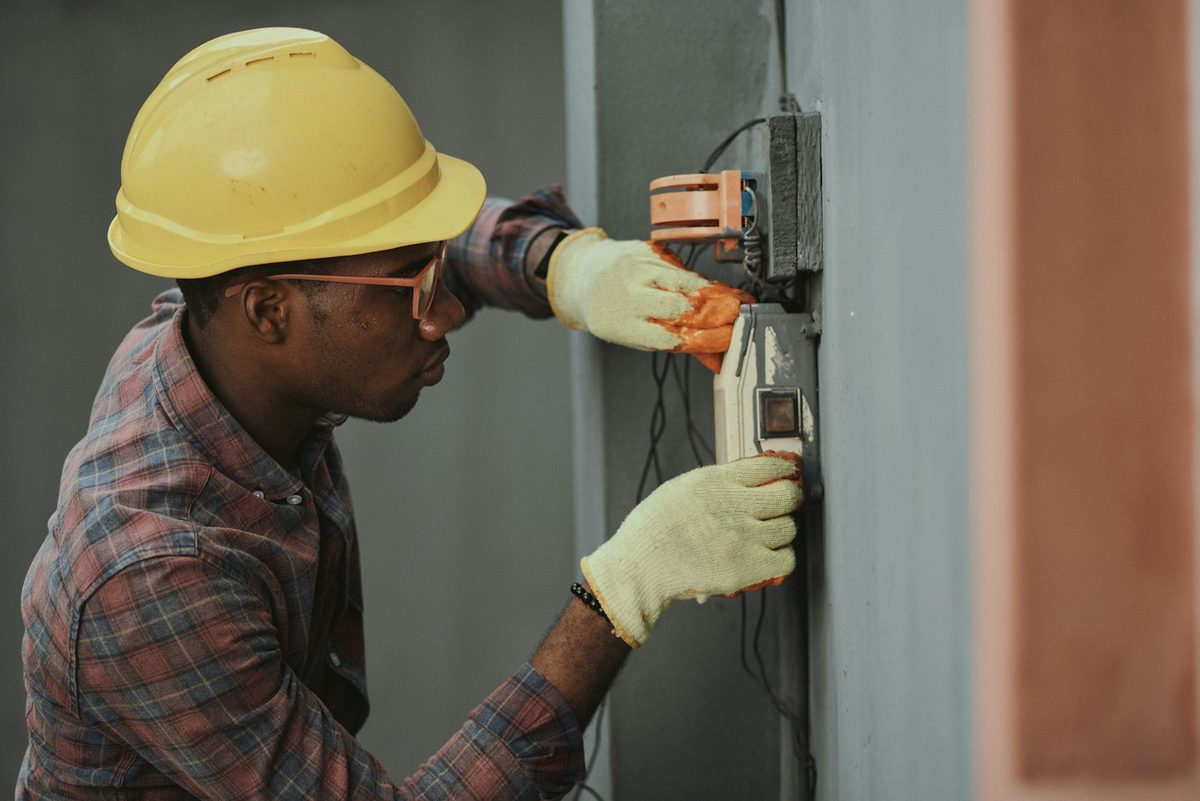
Scorch marks or discolouration around the socket
Any visible browning, blackening or melting around a socket faceplate indicates that sustained heat or arcing has occurred at that point. This is not a cosmetic issue — the socket should be taken out of use and assessed by a competent electrician promptly.
Burning smell from the socket
A smell of burning plastic or hot metal from a socket — whether during use or after a device is unplugged — suggests that heat is being generated internally. This is commonly caused by a loose terminal connection creating resistance and localised heating at the point of contact.
Circuit breaker tripping when the socket is used
If using a specific socket causes the associated circuit breaker to trip, the socket or its circuit may have a fault causing an overload or short circuit. Keep the circuit switched off at the consumer unit until a qualified assessment has been carried out.
What happens during a professional socket assessment
Visual inspection of the socket and surrounding area
The electrician will examine the socket faceplate and surrounding wall for discolouration, scorch marks, physical damage and evidence of arcing. This initial step identifies whether heat has been generated at the socket itself and the extent of any visible damage.
Checking terminal connections inside the socket
The electrician will check the connections at the socket terminals to confirm they are secure and correctly made. Loose connections are a frequent cause of arcing, resistance build-up and localised heating, and are one of the most common findings at a socket exhibiting abnormal sparking.
Assessment of the wider circuit
The circuit supplying the affected socket will be assessed to identify whether overloading, inadequate wiring capacity, or another fault on the circuit may be contributing to the problem. Where the installation is older, the electrician may recommend a broader periodic inspection of the property.
Related Services in Guildford
Related Guides
Sources
- Electrical Safety First guidance — https://www.electricalsafetyfirst.org.uk/safety-advice/your-questions-answered/